Remember those moments as a kid, wishing your toys could come alive or that mythical creatures roamed your backyard? Well, what once felt like pure fantasy is now closer to reality than ever, thanks to Augmented Reality (AR) gaming. Imagine your living room transforming into a battlefield, or your local park becoming a hunting ground for digital monsters. This isn’t just science fiction anymore; it’s the exciting world of AR gaming, and it’s rapidly evolving. But have you ever wondered what goes on behind the scenes to create these magical experiences? How do developers weave digital elements into our physical world so seamlessly? Get ready to pull back the curtain! In this comprehensive guide, we’ll dive deep into the fascinating realm of **AR gaming development**. We’ll explore what makes AR games tick, the innovative technologies that power them, the journey from concept to code, and the exciting challenges and opportunities that lie ahead. Whether you’re an aspiring developer, a curious gamer, or just someone intrigued by the future of technology, join us as we unravel the magic of building augmented reality worlds.
What Exactly is AR Gaming, Anyway?
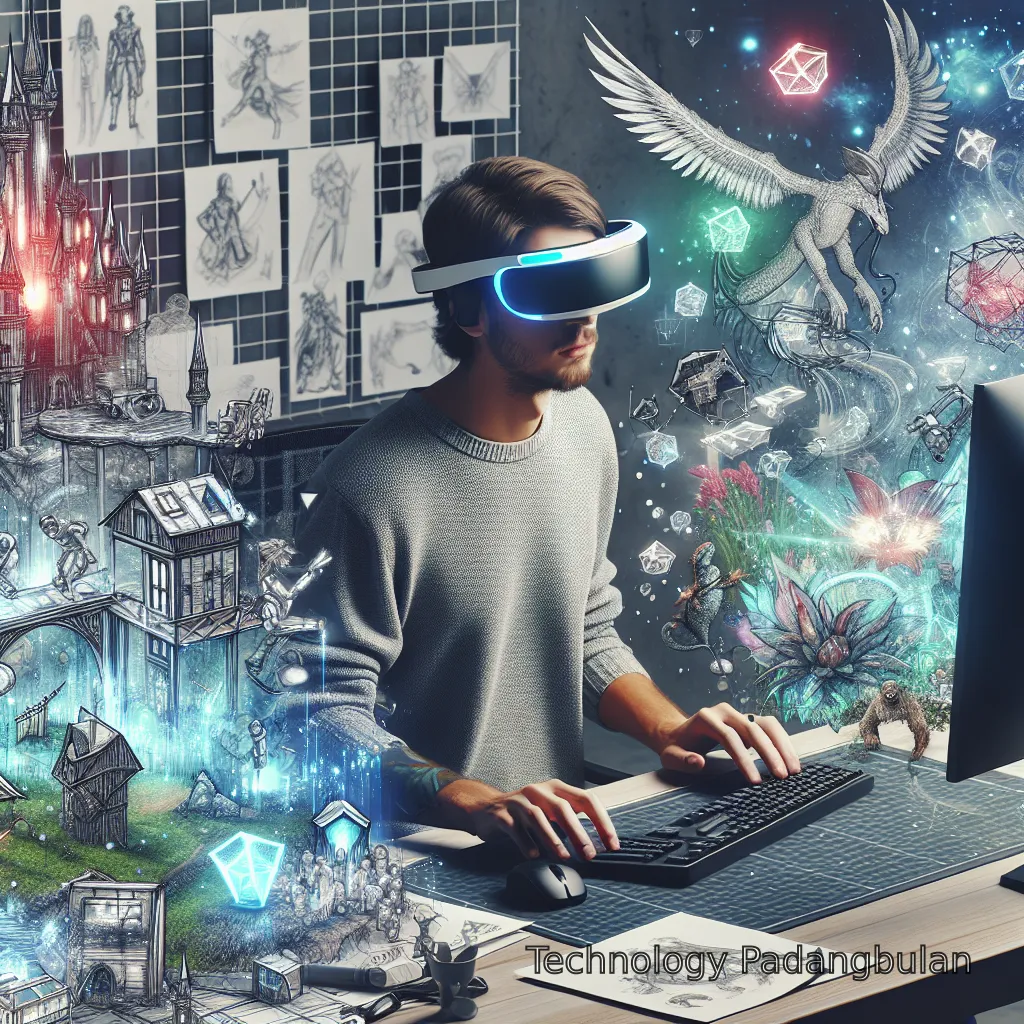
Before we delve into the ‘how,’ let’s clarify the ‘what.’ Augmented Reality (AR) gaming isn’t about escaping into a completely virtual world like Virtual Reality (VR). Instead, AR cleverly overlays digital information – characters, objects, stats, or entire environments – onto your real-world view. Think of it as adding a digital layer of paint onto the canvas of your reality, enhancing what’s already there rather than replacing it. The most famous example, of course, is Pokémon GO, where players hunt and catch Pokémon that appear as if they’re right in front of them, interacting with their real surroundings. But AR goes far beyond adorable pocket monsters. It’s about blending the digital and physical, creating an interactive experience where your environment becomes part of the game. It uses your device’s camera, sensors, and GPS to understand your location and orientation, then projects virtual elements onto your screen, making them appear as if they belong in your actual space. It’s a truly **immersive gaming technology**, blurring the lines between what’s real and what’s rendered.
The Magic Behind the Screen: How AR Gaming Works
So, how does a digital Pikachu know to sit on your coffee table, or how does a virtual city sprout up around your local monument? It’s not actual magic, but rather a sophisticated dance of technology that underpins **AR gaming development**. At its core, AR gaming relies on several key components working in harmony: * **Camera & Computer Vision:** Your smartphone or tablet camera acts as the eyes of the AR experience. Computer vision algorithms then process this live video feed to understand the environment. This involves recognizing surfaces (like floors, walls, tables), tracking motion, and even identifying specific objects or markers. * **Sensors & GPS:** Accelerometers, gyroscopes, and magnetometers within your device help the game understand its orientation and movement in 3D space. GPS, naturally, pins down your real-world location, which is crucial for location-based AR games like Pokémon GO or Ingress. * **Rendering Engine:** Once the physical world is mapped and understood, a powerful rendering engine (often a game engine like Unity or Unreal Engine) steps in. It draws the virtual objects onto your device’s screen, ensuring they are placed correctly, scaled appropriately, and respond realistically to your movements and the environment’s lighting. * **Interaction Layer:** This is where you, the player, come in. Touchscreens, voice commands, or even hand gestures (for more advanced AR headsets) allow you to interact with the virtual elements, making the game truly dynamic. Imagine reaching out to ‘grab’ a virtual item, or swiping to ‘cast’ a spell – that’s the interaction layer at play. All these elements combine to create the illusion that digital characters and objects are truly part of your physical space, ready for you to engage with them.
Read also : Immersive Gaming Technology
Why AR Gaming is a Game-Changer
AR gaming isn’t just a novelty; it offers a unique blend of experiences that traditional gaming struggles to replicate. Its impact on how we play, interact, and even perceive our surroundings is profound. * **Unparalleled Immersion:** By integrating digital elements into the real world, AR games offer a level of immersion that feels incredibly personal. Instead of watching a story unfold, you’re literally *in* it. This leads to genuinely unique and memorable **sensory gaming experiences** that can captivate players in new ways. * **Active & Social Play:** Many AR games encourage players to get up, move around, and explore their physical surroundings. This not only promotes a healthier, more active lifestyle but also fosters social interaction as players meet up in real-world locations to play together or compete. Think of it as gamified exploration! * **Bridging the Digital-Physical Divide:** AR gaming makes technology feel less like a separate screen and more like an extension of reality. It can transform mundane spaces into vibrant playgrounds, making everyday environments feel fresh and exciting. Your walk to the store might become an adventure, or your backyard a fantasy realm. * **Accessibility:** With the proliferation of smartphones, AR gaming is incredibly accessible. Most modern smartphones have the necessary hardware to run compelling AR experiences, meaning a vast global audience can jump into AR worlds without needing specialized equipment.
From Concept to Code: The AR Gaming Development Process
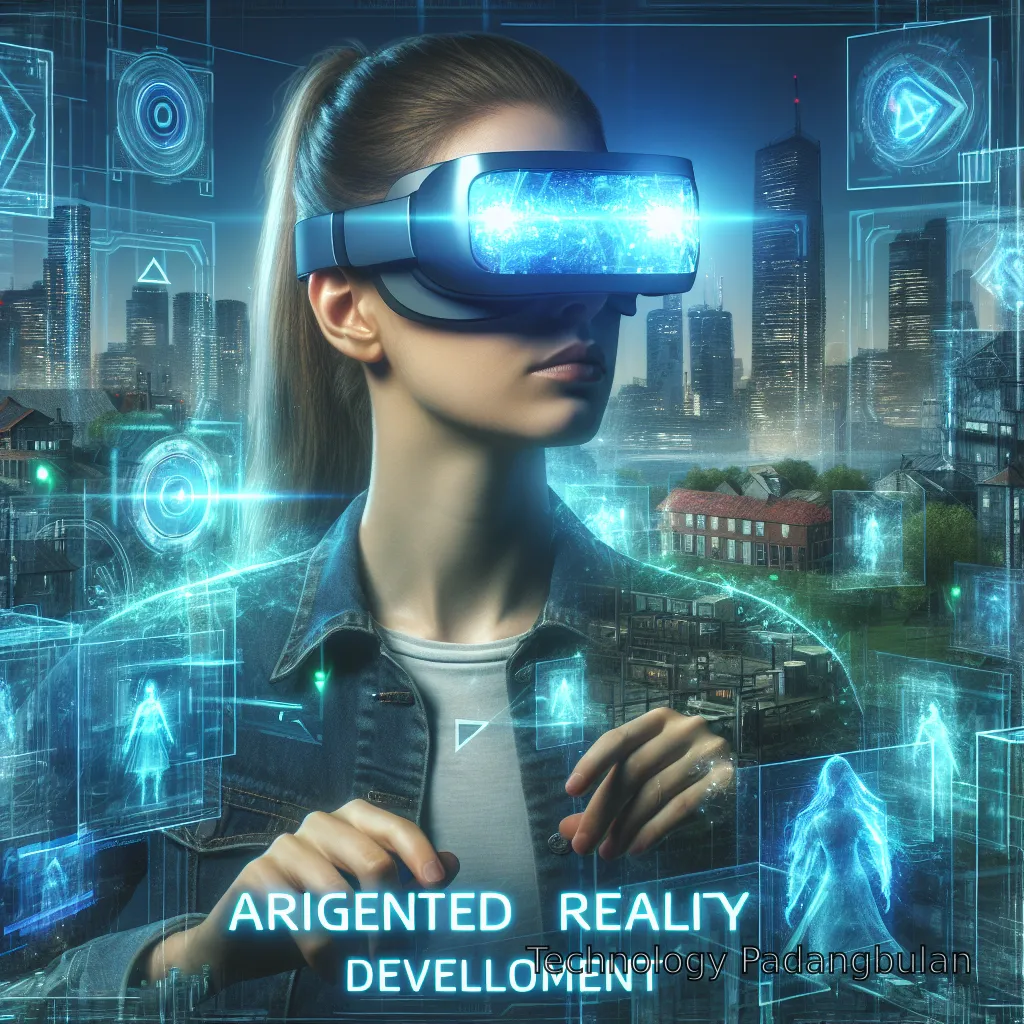
Creating an AR game is a journey that blends creative vision with rigorous technical execution. The **AR gaming development** process is multifaceted, much like traditional game development, but with unique AR-specific considerations. 1. **Idea & Concept:** It all starts with a compelling idea. What’s the core gameplay loop? How will AR enhance the experience? What kind of interaction will players have with their real environment? This stage involves extensive brainstorming, storyboarding, and defining the game’s unique selling proposition. 2. **Prototyping & Design:** Before writing lines of complex code, developers create prototypes to test core mechanics. This includes designing user interfaces (UI) and user experiences (UX) that feel intuitive in an AR context. How will virtual objects be placed? How will players navigate and interact? It’s crucial to consider the ‘feel’ of the game in various real-world settings. 3. **Technology Stack Selection:** Choosing the right tools is paramount. This involves selecting appropriate AR SDKs (like ARKit for iOS or ARCore for Android), a game engine (Unity and Unreal Engine are dominant), and any backend services needed for multiplayer or data storage. 4. **Asset Creation:** This is where the virtual world comes to life. 3D models, textures, animations, sound effects, and music are created by artists and designers. These assets must be optimized for mobile performance while maintaining visual quality in real-world lighting conditions. 5. **Development & Coding:** The heart of the process. Programmers write the code that brings the game logic, physics, AR functionality, and user interactions together. This includes implementing features like plane detection, object tracking, light estimation, and persistent AR experiences. 6. **Testing & Iteration:** AR games present unique testing challenges. They need to be tested in various physical environments, lighting conditions, and on different devices to ensure stability, performance, and a consistent user experience. Feedback loops are crucial here for continuous improvement. 7. **Deployment & Post-Launch:** Once polished, the game is launched on app stores (Google Play Store, Apple App Store). The development doesn’t stop here; post-launch support includes bug fixes, updates, new content, and community engagement.
Read also : Sensory gaming experiences
Key Technologies Powering AR Games
The vibrant world of AR gaming wouldn’t exist without a robust ecosystem of underlying technologies. These are the tools that developers wield to bring their augmented visions to life: * **AR Software Development Kits (SDKs):** These are the foundational frameworks that allow developers to integrate AR capabilities into their apps. The two giants in mobile AR are Apple’s **ARKit** and Google’s **ARCore**. They provide powerful APIs for features like motion tracking, environmental understanding, light estimation, and plane detection (recognizing flat surfaces like floors or tables). Other SDKs like Vuforia and Wikitude also offer advanced features, especially for marker-based AR. * **Game Engines:** While AR SDKs provide the foundational AR tech, game engines like **Unity** and **Unreal Engine** are where the magic truly happens. They offer comprehensive environments for designing, developing, and rendering interactive 3D content. Both engines have excellent integrations with ARKit and ARCore, making them the go-to choices for **AR gaming development**. They handle everything from physics and animations to complex visual effects. * **Computer Vision & AI:** At the heart of AR’s ability to ‘understand’ the real world is computer vision. This field of artificial intelligence enables devices to interpret and make sense of visual data from cameras. AI is also increasingly used for character behavior, procedural content generation, and enhancing user experiences in AR games. * **Cloud Computing:** For multiplayer AR experiences, storing game data, user profiles, and managing real-time interactions often relies on cloud services. This ensures scalability, reliability, and global accessibility for AR games. * **Spatial Computing & Persistence:** As AR evolves, the concept of spatial computing – where digital objects can persist in real-world locations even when you’re not looking – is gaining traction. Technologies enabling this allow for more complex and shared AR worlds, where multiple players can interact with the same digital elements in the same physical space over time.
Challenges in AR Gaming Development
While the potential of AR gaming is immense, the road to seamless, captivating experiences is paved with its own set of unique challenges for developers. * **Technical Limitations:** Despite advances, current mobile hardware has limitations. Battery drain can be significant, and processing complex AR scenes in real-time requires considerable computational power. Environmental understanding isn’t always perfect; inconsistent lighting or highly reflective surfaces can confuse plane detection and tracking. * **User Experience (UX) & Design Hurdles:** Designing intuitive AR interactions can be tricky. How do players move virtual objects? How do they navigate a digital space overlaid on a physical one? Ensuring virtual content doesn’t obstruct critical real-world views, and making interactions feel natural rather than clunky, requires innovative design thinking. Furthermore, maintaining a user’s comfort and avoiding ‘AR sickness’ (similar to motion sickness) is paramount. * **Content Creation & Optimization:** Creating high-quality 3D assets that look good in diverse real-world lighting conditions and perform well on mobile devices is a significant undertaking. Optimization is key to ensure smooth frame rates and a responsive experience. * **Monetization Strategies:** Like any free-to-play game, finding effective and ethical monetization strategies that don’t detract from the AR experience is crucial. In-app purchases, subscriptions, or integrated advertising need to be thoughtfully implemented. * **Adoption & Discovery:** While popular, AR gaming is still a niche compared to traditional mobile gaming. Breaking through the noise and encouraging widespread adoption requires compelling content and effective marketing.
The Future is Now: Trends in AR Gaming Development
The future of AR gaming is not just bright; it’s practically blinding with innovation! Several exciting trends are poised to redefine what’s possible in **AR gaming development**. * **Advanced AR Hardware (Smart Glasses):** While smartphones are great entry points, dedicated AR smart glasses (like Magic Leap, Microsoft HoloLens, and rumored devices from Apple and Meta) promise a truly hands-free, wide field-of-view AR experience. These devices will unlock new levels of immersion and interaction, making digital content feel even more integrated into our vision. * **5G & Edge Computing:** The rollout of 5G networks, with their ultra-low latency and high bandwidth, will enable more complex, real-time multiplayer AR experiences. Edge computing will allow for processing heavy AR tasks closer to the user, reducing lag and enhancing performance. * **AI Integration:** Beyond computer vision, AI will increasingly power dynamic content generation, intelligent NPCs (Non-Player Characters) that adapt to the real environment, and personalized gaming experiences. Imagine an AR game where the difficulty and story adapt to your real-world location or even your mood! * **Haptic Feedback & Spatial Audio:** Enhancing **sensory gaming experiences** through advanced haptics (tactile feedback) and spatial audio will make virtual objects feel and sound even more real. Feeling the ‘weight’ of a virtual sword or hearing a digital monster ‘approach’ from behind you will deepen immersion significantly. * **Persistent & Collaborative AR Worlds:** Imagine digital graffiti that stays on a wall for everyone to see, or a virtual pet that lives in your house whether your phone is out or not. Persistent AR anchors digital content to physical locations, allowing for shared, evolving AR worlds that are truly social and long-lasting. The journey of AR gaming is just beginning. As technology advances, the line between our physical world and digital play will continue to blur, offering us incredible new ways to explore, interact, and have fun.
Conclusion
From the simple joy of catching digital creatures in our parks to the complex engineering that projects virtual worlds onto our reality, **AR gaming development** stands at the cutting edge of interactive entertainment. It’s a field brimming with innovation, creativity, and persistent challenges, pushing the boundaries of what we thought possible. We’ve explored the intricate dance of cameras, sensors, and rendering engines that bring AR games to life, understood its unique appeal in blending the digital with the physical, and journeyed through the meticulous process developers undertake. The future, with smart glasses, 5G, and advanced AI, promises even more breathtaking experiences, turning our entire world into an interactive playground. So, the next time you see someone seemingly battling invisible dragons or collecting virtual coins in their surroundings, you’ll know the incredible technological feat that makes it all possible. AR gaming isn’t just a trend; it’s a testament to human ingenuity, inviting us all to unlock new realities, one digital overlay at a time.
References
FAQ
What is the main difference between AR and VR gaming?
AR (Augmented Reality) gaming overlays digital elements onto your real-world view, enhancing what you see. VR (Virtual Reality) gaming, on the other hand, immerses you entirely in a simulated, digital environment, blocking out the real world. AR blends digital with physical, while VR replaces physical with digital.
What are the essential tools for AR gaming development?
Key tools include AR SDKs like ARKit (for iOS) and ARCore (for Android) for core AR functionality, and game engines like Unity or Unreal Engine for building the game’s visuals, logic, and interactivity. Developers also use 3D modeling software, code editors, and various testing frameworks.
Is AR gaming development difficult for beginners?
While it has its complexities, learning AR gaming development is increasingly accessible. Platforms like Unity offer many tutorials, and the core concepts are similar to traditional game development. Starting with simple marker-based AR apps or small projects using ARKit/ARCore can be a great way for beginners to get started.
What are some popular examples of AR games?
The most famous example is Pokémon GO. Other notable AR games include Ingress, Harry Potter: Wizards Unite, The Walking Dead: Our World, and Minecraft Earth (though some are no longer actively supported, they showcased AR’s potential). Many smaller, innovative AR experiences are also available on app stores.
How will 5G impact AR gaming?
5G will significantly enhance AR gaming by providing ultra-low latency and high bandwidth. This means more seamless multiplayer experiences, faster loading of complex AR environments, and the ability to offload heavy processing to edge computing, leading to smoother performance and more sophisticated AR interactions without lag.
What kind of hardware do I need to play AR games?
Most modern smartphones (both iOS and Android) are capable of running AR games, as long as they support ARKit or ARCore. You typically need a device with a good camera, sufficient processing power, and relevant sensors (gyroscope, accelerometer). Dedicated AR smart glasses are also emerging, offering a more advanced experience.
