In our increasingly connected world, technology offers unparalleled convenience and innovation. We stream, we shop, we share, and we work—all online. But with every click, every download, and every smart device we welcome into our lives, a crucial question arises: How safe are we? Welcome to the thrilling, sometimes terrifying, but always vital realm of **Cybersecurity & Privacy News**. It’s not just for IT professionals; it’s for everyone navigating the digital landscape. From sophisticated hackers to evolving regulations, staying informed is no longer optional—it’s your best defense. Grab a coffee, because we’re about to demystify the digital world and empower you with the knowledge to protect your online life.
The Relentless Digital Battle: Understanding Latest Cyber Attack Reports
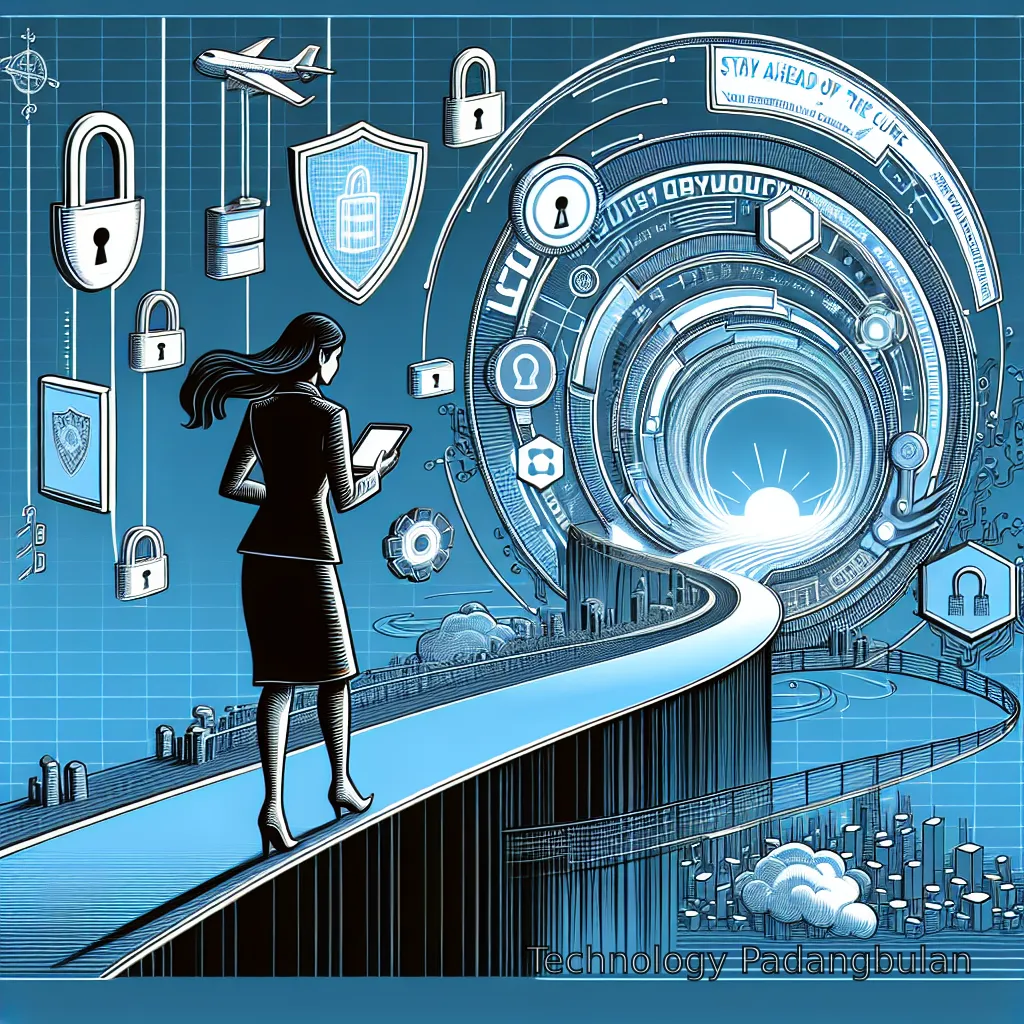
It often feels like a constant game of digital whack-a-mole. One day it’s a massive data breach at a well-known company, the next it’s a new ransomware variant making headlines. Staying on top of the latest cyber attack reports isn’t about fear-mongering; it’s about understanding the evolving threats. We’re talking about everything from phishing scams that trick you into revealing personal information to sophisticated state-sponsored attacks targeting critical infrastructure. Ransomware, for example, has become a multi-billion-dollar industry, paralyzing businesses and even hospitals, demanding cryptocurrency for the return of encrypted data. But it’s not always grand-scale attacks making the news. Sometimes, the most insidious threats are the quiet ones, like malware designed to silently exfiltrate your data over time. The landscape is dynamic: threat actors constantly innovate, finding new vulnerabilities in software, systems, and even human psychology. They leverage advanced AI to craft more convincing phishing emails or scan networks for weaknesses at lightning speed. Understanding these trends helps individuals and organizations alike prepare, adapt, and build more resilient defenses.
Your Digital Footprint: Protecting Against Identity Theft
Imagine waking up one day to discover your bank account drained, your credit cards maxed out, or even a new loan taken out in your name—all without your knowledge. This isn’t a scene from a movie; it’s the stark reality of identity theft. In our digital age, our identity isn’t just our name and address; it’s a complex tapestry of online accounts, passwords, personal data, and financial information. When this tapestry is compromised, the consequences can be devastating and long-lasting. Protecting your identity requires vigilance. Simple steps, like using strong, unique passwords for every account and enabling multi-factor authentication (MFA) wherever possible, can significantly bolster your defenses. Think of MFA as a second lock on your digital door—even if a hacker gets your password, they still need that second key. Regularly checking your credit reports and being wary of unsolicited emails or calls asking for personal information are also crucial. For a deeper dive into safeguarding your personal information, consider exploring resources on identity theft protection. Your digital identity is priceless; treat it with the care it deserves.
Read also : Latest cyber attack reports
Building a Digital Fortress: Embracing Zero-Trust Architecture
For decades, the traditional approach to network security was like building a strong castle wall: once you were inside, you were trusted. However, with remote work, cloud services, and mobile devices blurring the lines of the network perimeter, that ‘castle wall’ approach is no longer effective. Enter **Zero-Trust Architecture**. It’s a security model based on the principle of ‘never trust, always verify.’ Instead of assuming everything inside a network is safe, Zero-Trust dictates that no user or device, whether inside or outside the network, should be implicitly trusted. Every access request is rigorously authenticated, authorized, and continuously validated. It’s like having a security guard at every single door within the castle, checking credentials for every movement. This granular approach significantly reduces the attack surface and minimizes the damage an attacker can inflict if they manage to breach an initial defense. Many organizations are now making this a cornerstone of their cybersecurity strategy, understanding that threats can emerge from anywhere.
The Smart Home, Smart City, Smart Risk: Decoding IoT Security
Our world is becoming increasingly ‘smart.’ From smart refrigerators that order groceries to smart traffic lights optimizing city flow, the Internet of Things (IoT) is everywhere. These interconnected devices promise unparalleled convenience, but they also introduce a new frontier of **IoT security risks**. Many IoT devices are designed for convenience and affordability, often with security as an afterthought. Think about it: a smart doorbell with a weak default password, a connected thermostat with unpatched vulnerabilities, or industrial sensors critical to infrastructure—each represents a potential entry point for hackers. These devices often lack robust encryption, regular security updates, or even basic authentication protocols. A compromised IoT device could be used as a stepping stone to infiltrate a home network, launch distributed denial-of-service (DDoS) attacks, or even spy on users. As IoT continues to proliferate, ensuring the security of these devices, from manufacturing to deployment, is a monumental and ongoing challenge that requires collective effort from manufacturers, consumers, and regulators.
Read also : Identity theft protection
Navigating the Data Labyrinth: Understanding Data Privacy Regulations
In an era where data is often called the ‘new oil,’ how that data is collected, stored, and used is a hot-button issue. This is where **Data Privacy Regulations** come into play. Laws like Europe’s General Data Protection Regulation (GDPR) and California’s Consumer Privacy Act (CCPA) have set global benchmarks, giving individuals more control over their personal information. These regulations mandate transparency from companies about how they handle your data, grant you rights like the ‘right to be forgotten’ or the right to access your data, and impose hefty fines for non-compliance. It’s a fundamental shift, moving from a model where companies could freely collect data to one where user consent and data protection are paramount. While sometimes complex, these regulations are vital for fostering trust in the digital economy and protecting individuals from misuse of their personal information. They force organizations to think critically about data stewardship and to build privacy into their systems by design, not as an afterthought.
What’s Next? The Evolving Landscape of Cybersecurity & Privacy
The world of cybersecurity and privacy is not static; it’s a continuously evolving saga. As technology advances, so do the threats and the defenses. We’re seeing AI being used by both attackers to automate complex intrusions and by defenders to detect anomalies faster than any human ever could. The rise of quantum computing, while still in its infancy, poses a future threat to current encryption methods, necessitating research into ‘post-quantum cryptography.’ Furthermore, the convergence of cyber and physical security is becoming more pronounced, as Operational Technology (OT) and Industrial Control Systems (ICS) become increasingly connected to the internet. Staying informed through reliable **Cybersecurity & Privacy News** sources, like those provided by the National Institute of Standards and Technology (NIST), is crucial for both individuals and organizations. The goal isn’t just to react to threats, but to anticipate them, to build resilience, and to foster a digital environment where innovation can thrive securely and privately. The future is bright, but it requires constant vigilance and an unwavering commitment to digital safety.
Conclusion
As we navigate the intricate digital tapestry of our modern world, the importance of staying abreast of **Cybersecurity & Privacy News** cannot be overstated. It’s the difference between being a vulnerable target and an informed participant. From understanding the latest cyber attack reports to advocating for robust identity theft protection, embracing zero-trust architectures, mitigating IoT security risks, and comprehending data privacy regulations—each piece of knowledge empowers us. Remember, your digital safety is a shared responsibility, but it starts with you. Stay curious, stay cautious, and most importantly, stay informed. The digital world is yours to explore, securely and privately.
References
- National Institute of Standards and Technology (NIST)
- Cybersecurity and Infrastructure Security Agency (CISA)
FAQ
Why is it important for general readers to follow Cybersecurity & Privacy News?
It’s crucial because our lives are increasingly digital. Understanding cybersecurity and privacy news helps individuals protect their personal information, finances, and digital identity from evolving threats like scams, identity theft, and data breaches. It also empowers them to make informed choices about the technology they use and their online activities.
What is ‘Zero-Trust Architecture’ in simple terms?
Zero-Trust Architecture is a cybersecurity model that assumes no user or device, whether inside or outside an organization’s network, should be trusted by default. Instead of a traditional ‘trust but verify’ approach, it operates on a ‘never trust, always verify’ principle, requiring strict verification for every access request to any resource.
How can I protect myself from identity theft online?
Key steps include using strong, unique passwords for all accounts, enabling multi-factor authentication (MFA), being wary of phishing attempts, regularly checking your credit report for suspicious activity, and avoiding sharing sensitive personal information on unsecured websites or public Wi-Fi networks. Staying informed about data breaches is also vital.
Are my smart home devices a security risk?
Potentially, yes. Many IoT (Internet of Things) devices, including smart home gadgets, can have security vulnerabilities due to weak default passwords, lack of regular software updates, or insecure design. These risks can range from unauthorized access to your home network to privacy breaches through cameras or microphones. It’s important to choose reputable brands, change default passwords, and keep firmware updated.
What are data privacy regulations like GDPR and CCPA?
GDPR (General Data Protection Regulation) and CCPA (California Consumer Privacy Act) are landmark laws that give individuals more control over their personal data. They mandate that companies be transparent about data collection, storage, and usage, and grant users rights like accessing, correcting, or deleting their data. They impose strict requirements on businesses and significant penalties for non-compliance.
How do cyber attack reports help me?
Cyber attack reports help you understand the latest tactics and vulnerabilities exploited by cybercriminals. Knowing about prevalent threats like new phishing schemes, ransomware variants, or specific software vulnerabilities allows you to take proactive measures, update your systems, and educate yourself on how to avoid falling victim.
What is the role of AI in cybersecurity today?
AI plays a dual role. On the defensive side, AI helps detect anomalies, identify sophisticated malware, and automate threat response much faster than humans. On the offensive side, attackers use AI to craft more convincing phishing emails, automate vulnerability scanning, and develop more adaptive malware. It’s an arms race where AI is a critical tool for both sides.
